AeroBlock
South Africa
a solid foundation for intelligent construction
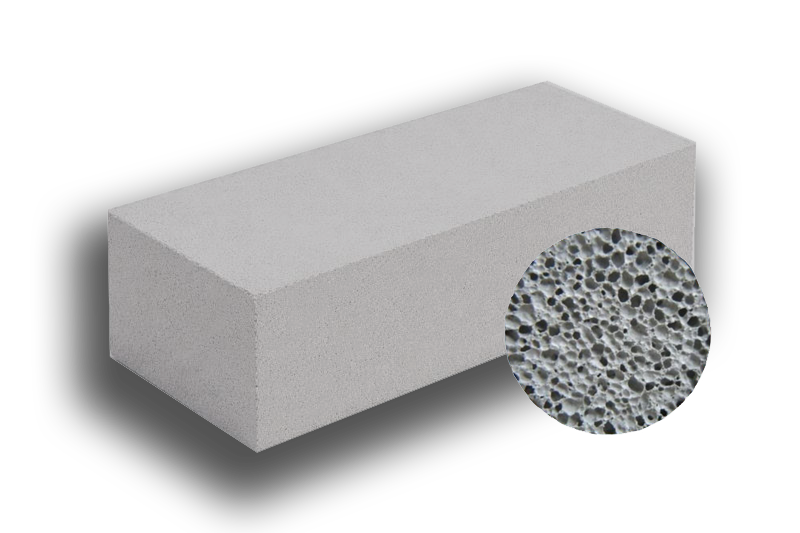
Non-autoclaved aerated concrete blocks
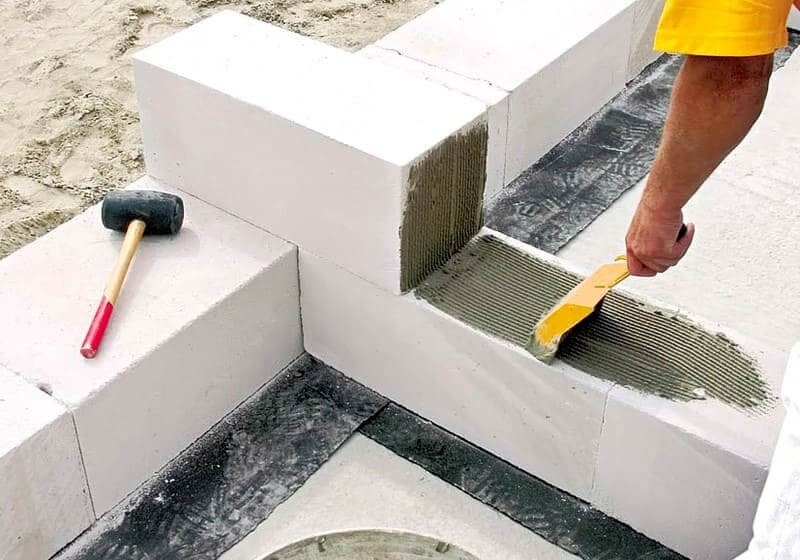
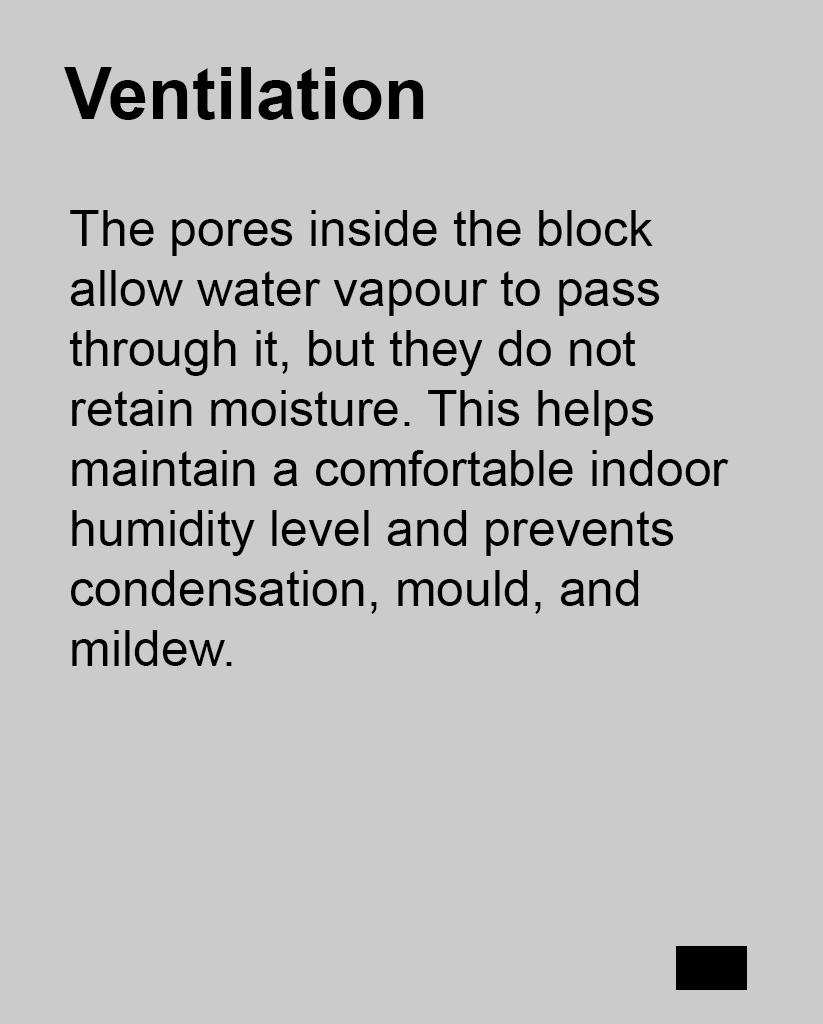
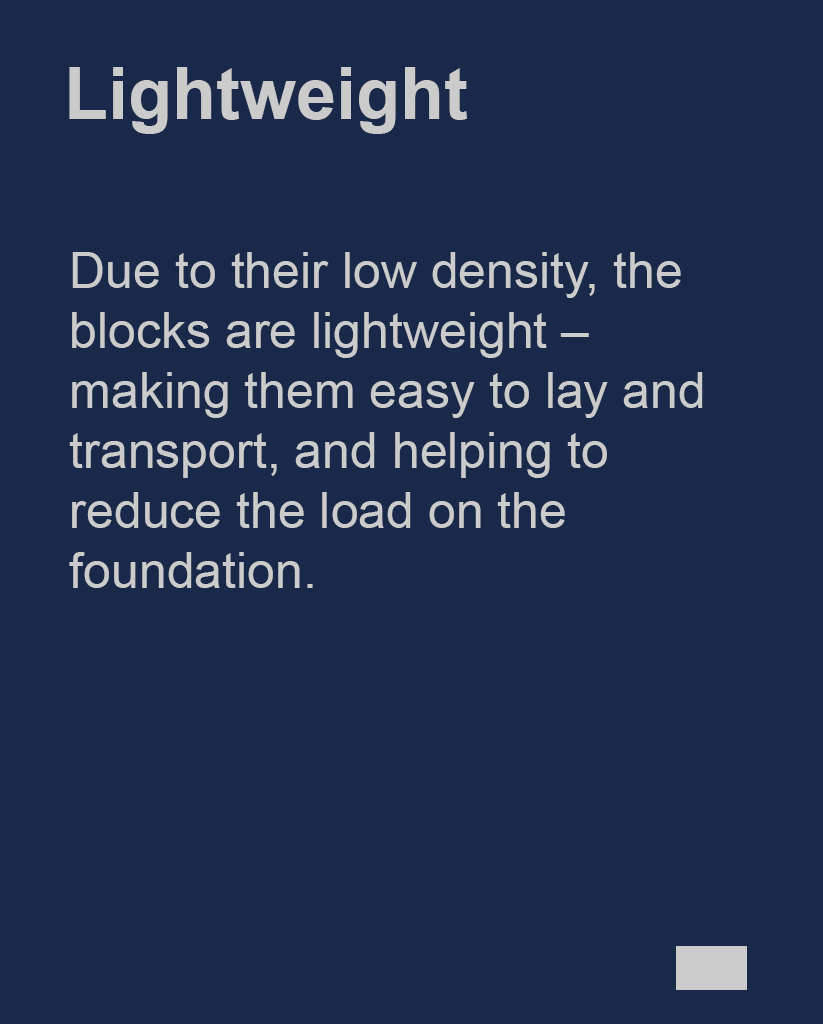
Non-autoclaved aerated concrete is a lightweight building material with a porous structure containing millions of tiny air cells. These cells are evenly distributed throughout the block, helping to retain heat inside the building and reduce the overall weight of the structure while maintaining its strength.
The material is based on a durable sand-cement mineral composition that reliably holds its shape and load.
Products
Our product range includes non-autoclaved blocks available in various sizes and densities. You can choose the product for yourself or consult with our managers.
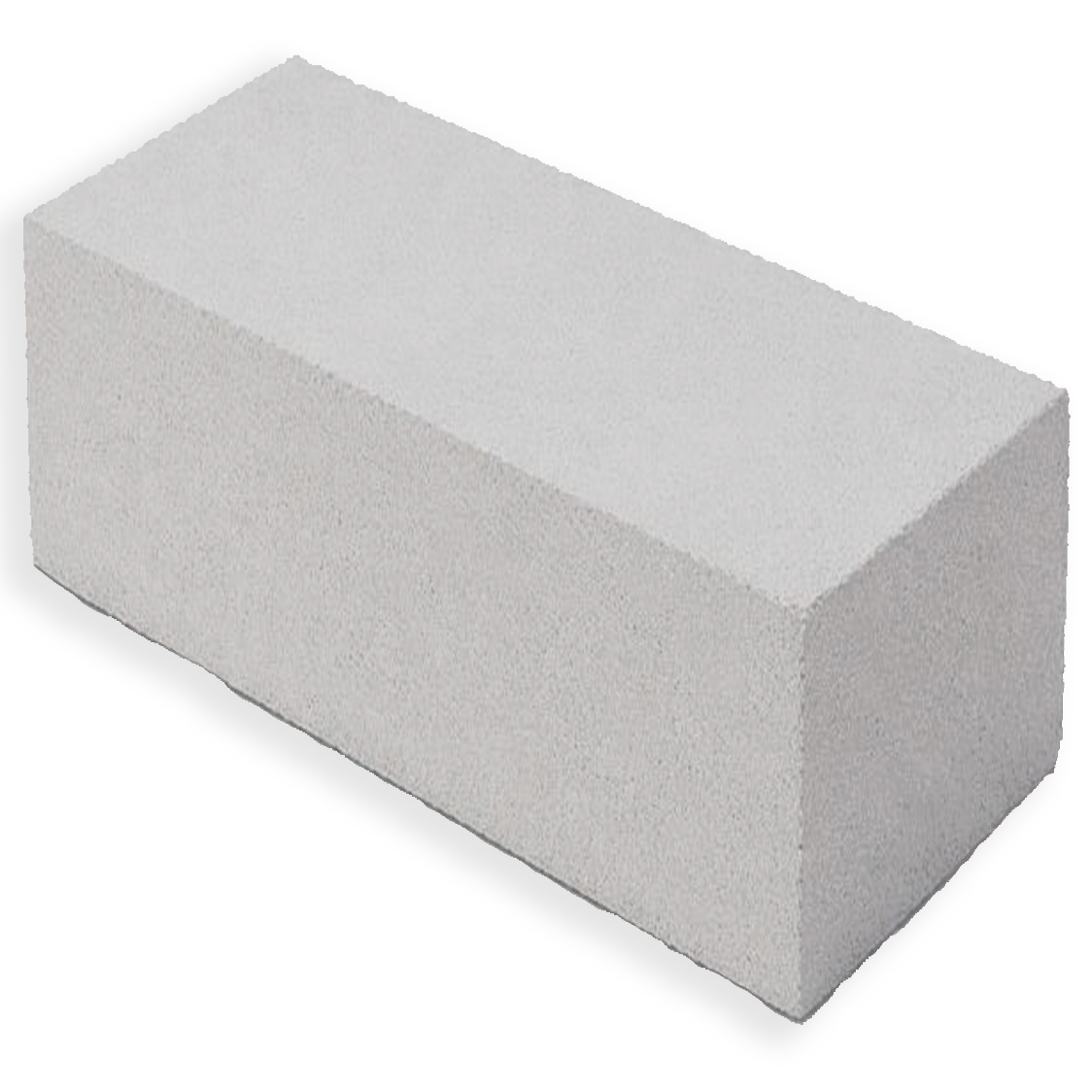
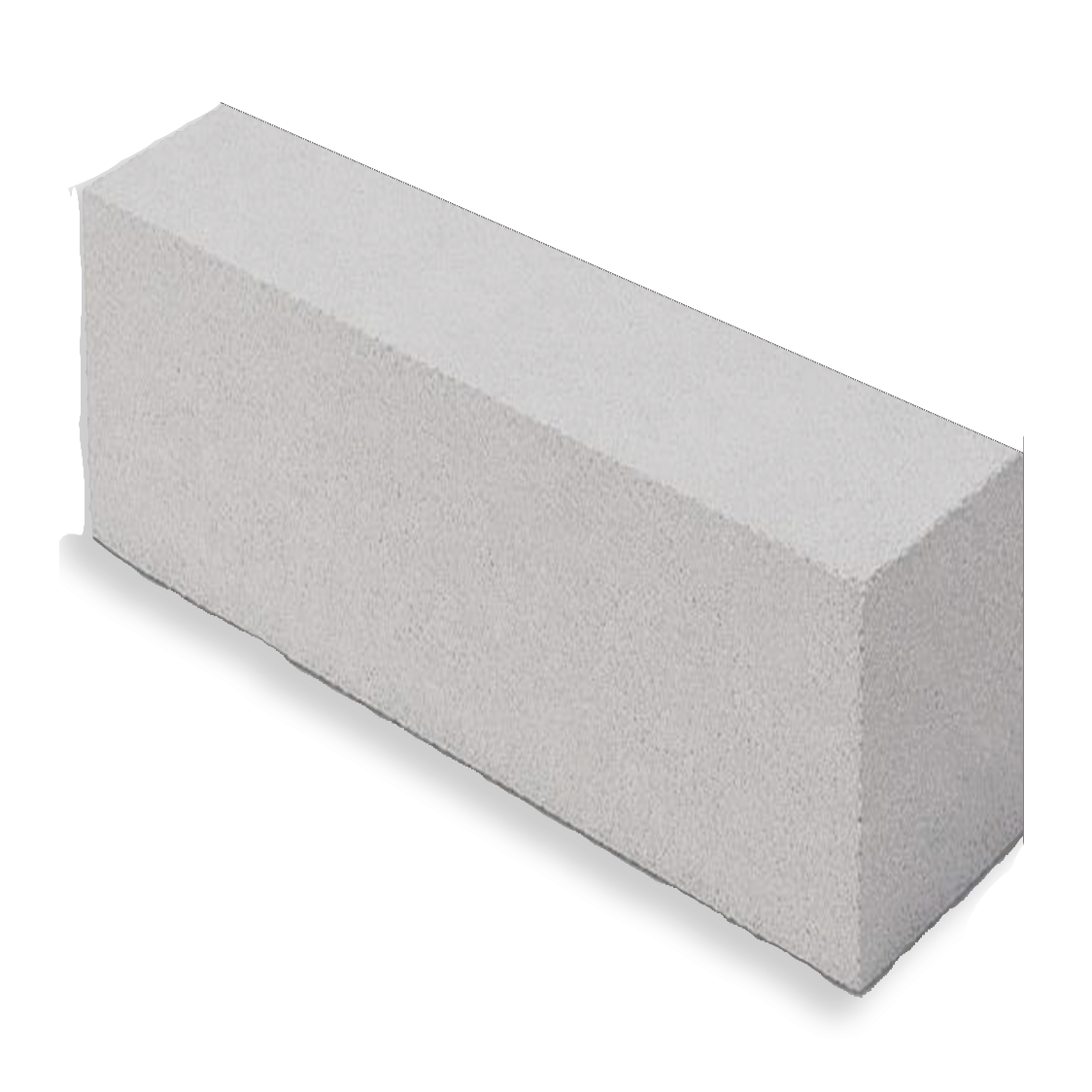
D600 – 200
Size:
600 х 300 х 200 mm
Density: 600 kg/m3
Unit weight: 21.6 kg
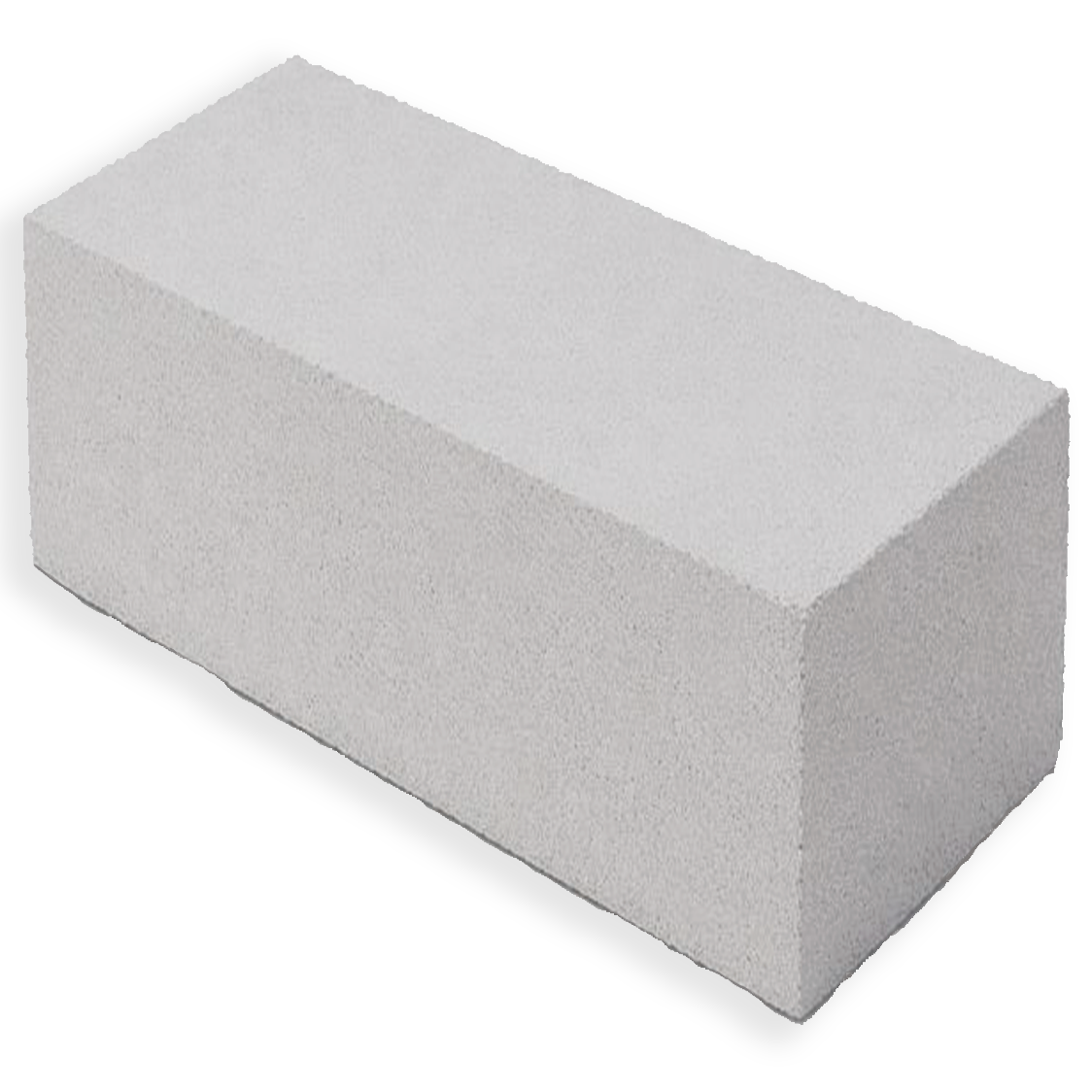
D500 – 200
Size:
600 х 300 х 200 mm
Density: 500 kg/m3
Unit weight: 18 kg
D600 – 100
Size:
600 х 300 х 100 mm
Density: 600 kg/m3
Unit weight: 10.8 kg
D500 – 100
Size:
600 х 300 х 100 mm
Density: 500 kg/m3
Unit weight: 9 kg
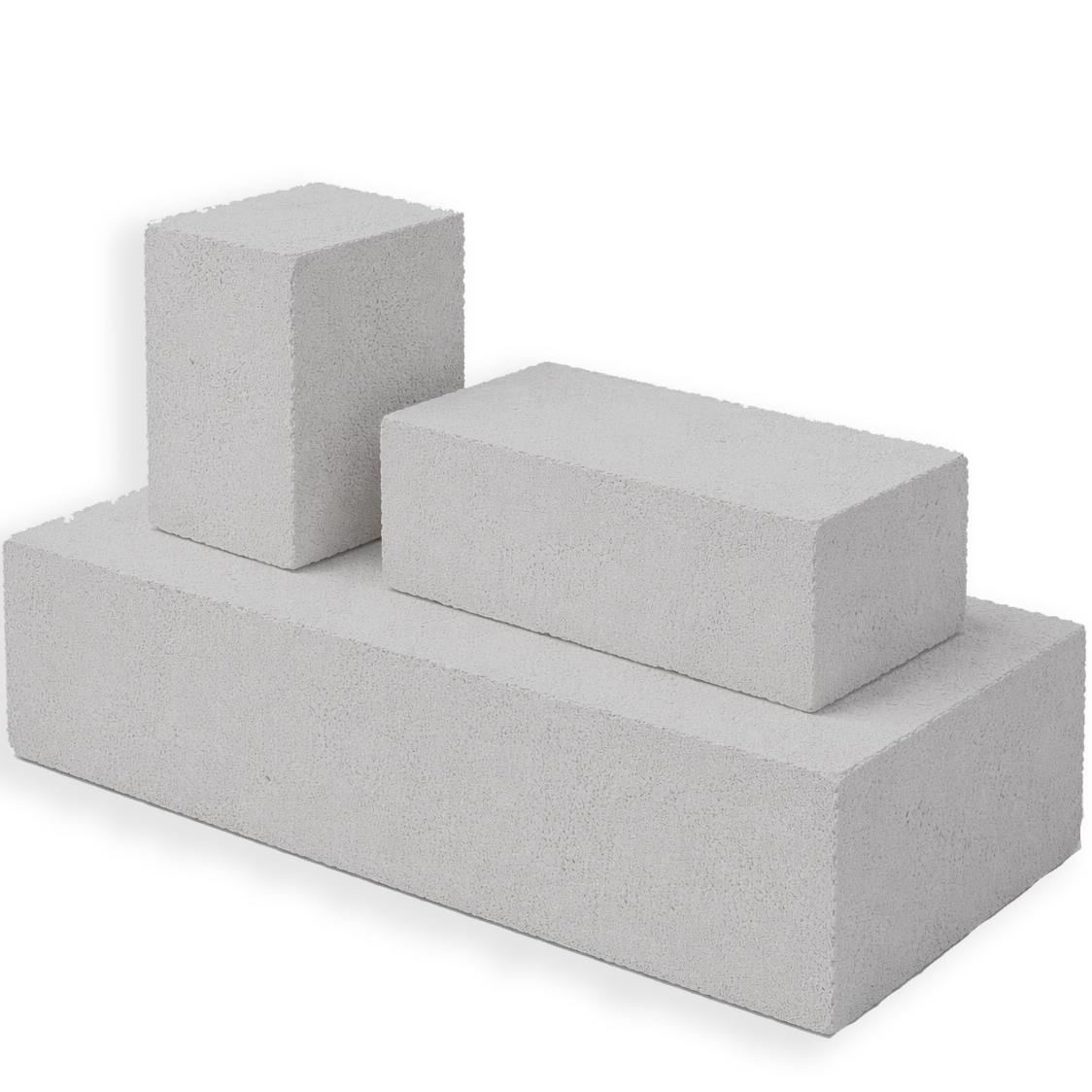
D600 – indiv.
Size:
600 х 300 х indiv.
Density: 600 kg/m3
Unit weight: N/A
D500 – indiv.
Size:
600 х 300 х indiv.
Density: 500 kg/m3
Unit weight: N/A
APPLICATIONS of non-autoclaved aerated concrete blocks
The global application of non-autoclaved aerated concrete blocks includes its usage in a variety of areas, including the external walls of buildings. However, in accordance with South African standards, its application extends to:
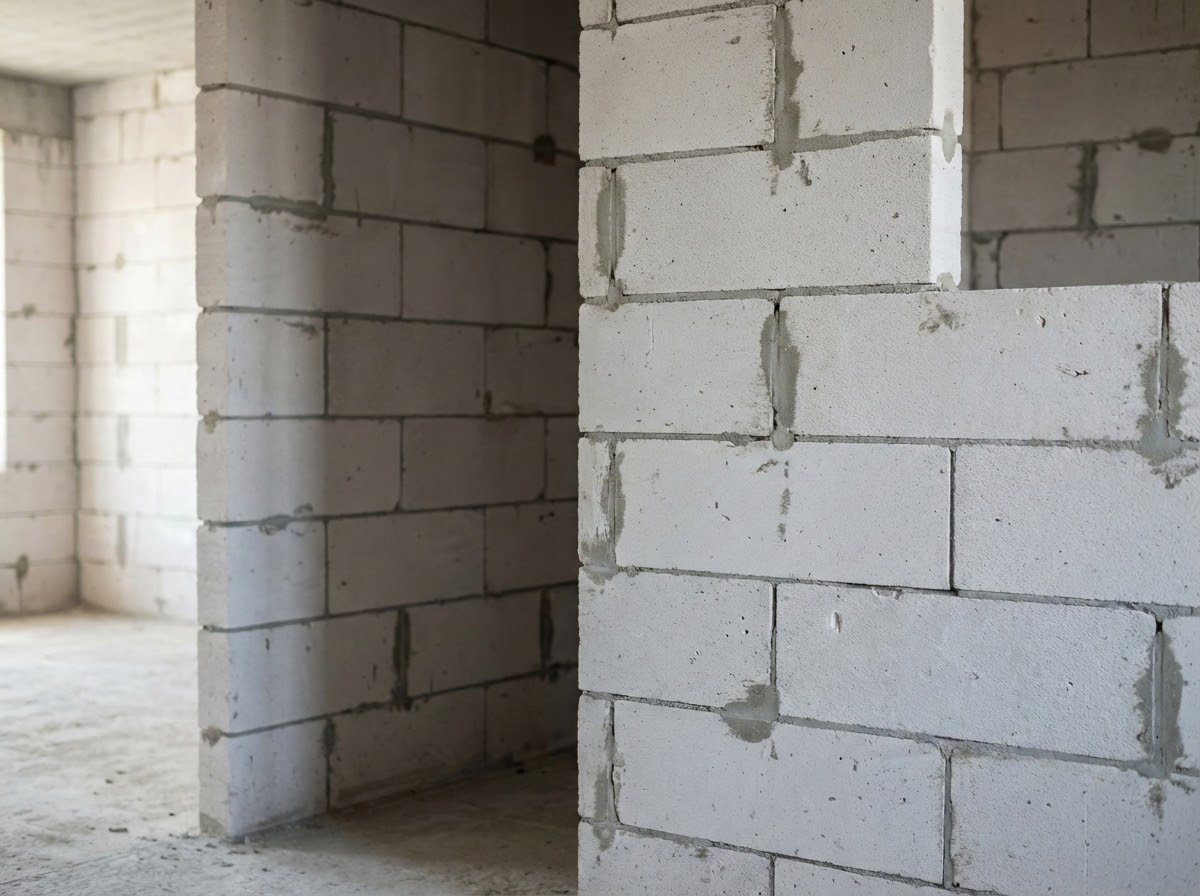
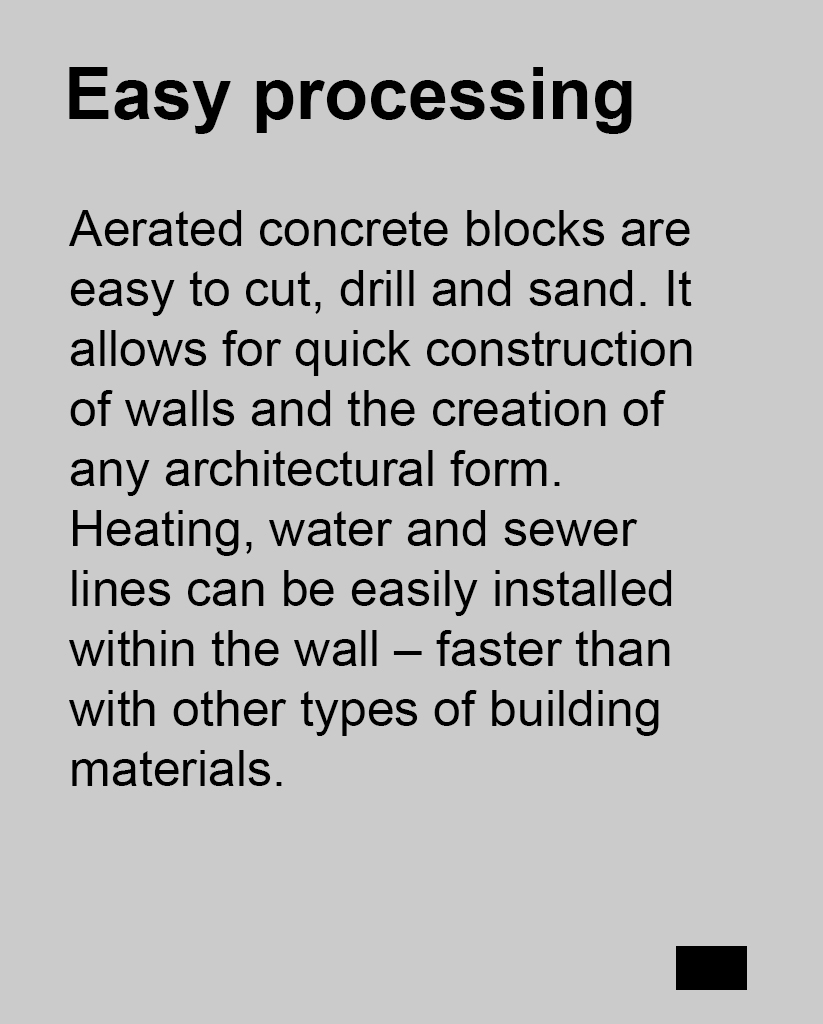
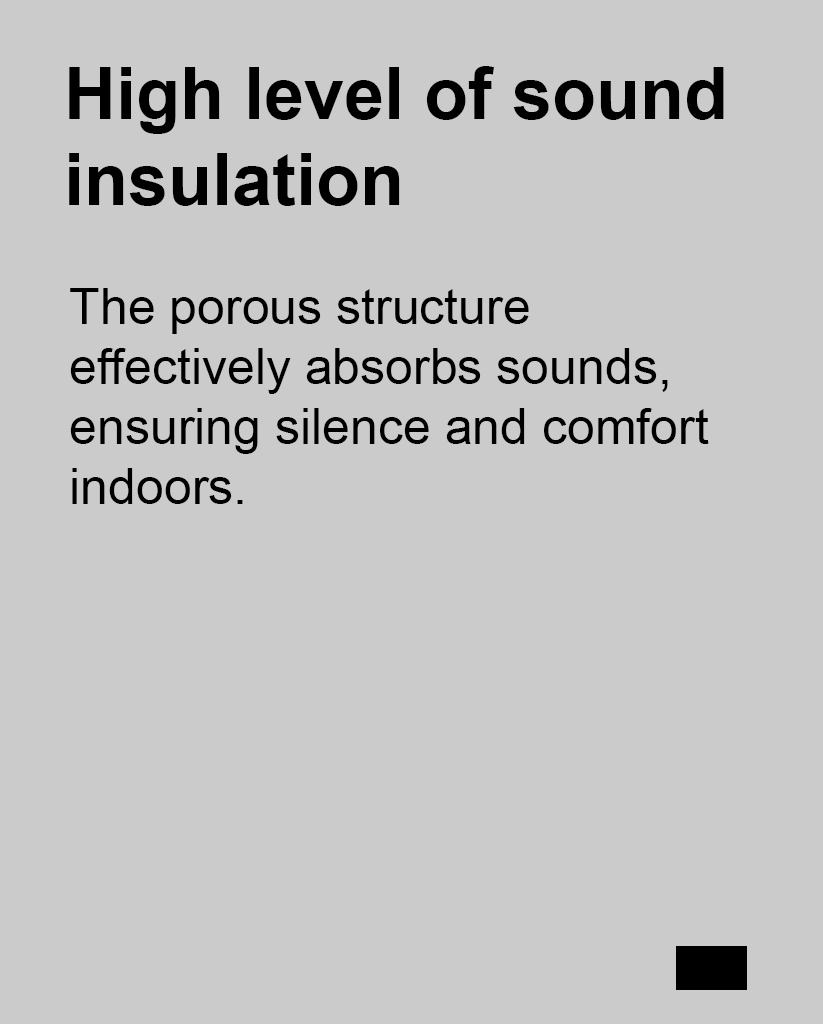
Non-autoclaved aerated concrete is ideal for creating interior partitions. The lightweight blocks don’t place excessive loads on floors, are easy to cut, and allow for the quick creation of smooth walls. The material provides excellent sound insulation and simplifies the installation of utility lines.
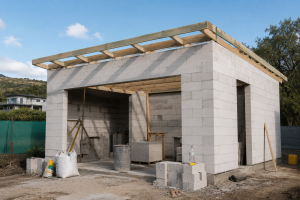
Non-autoclaved aerated concrete is a practical solution for building garages, warehouses, workshops, utility rooms, and other outbuildings. This material combines affordability, ease of installation, and sufficient strength for everyday use.
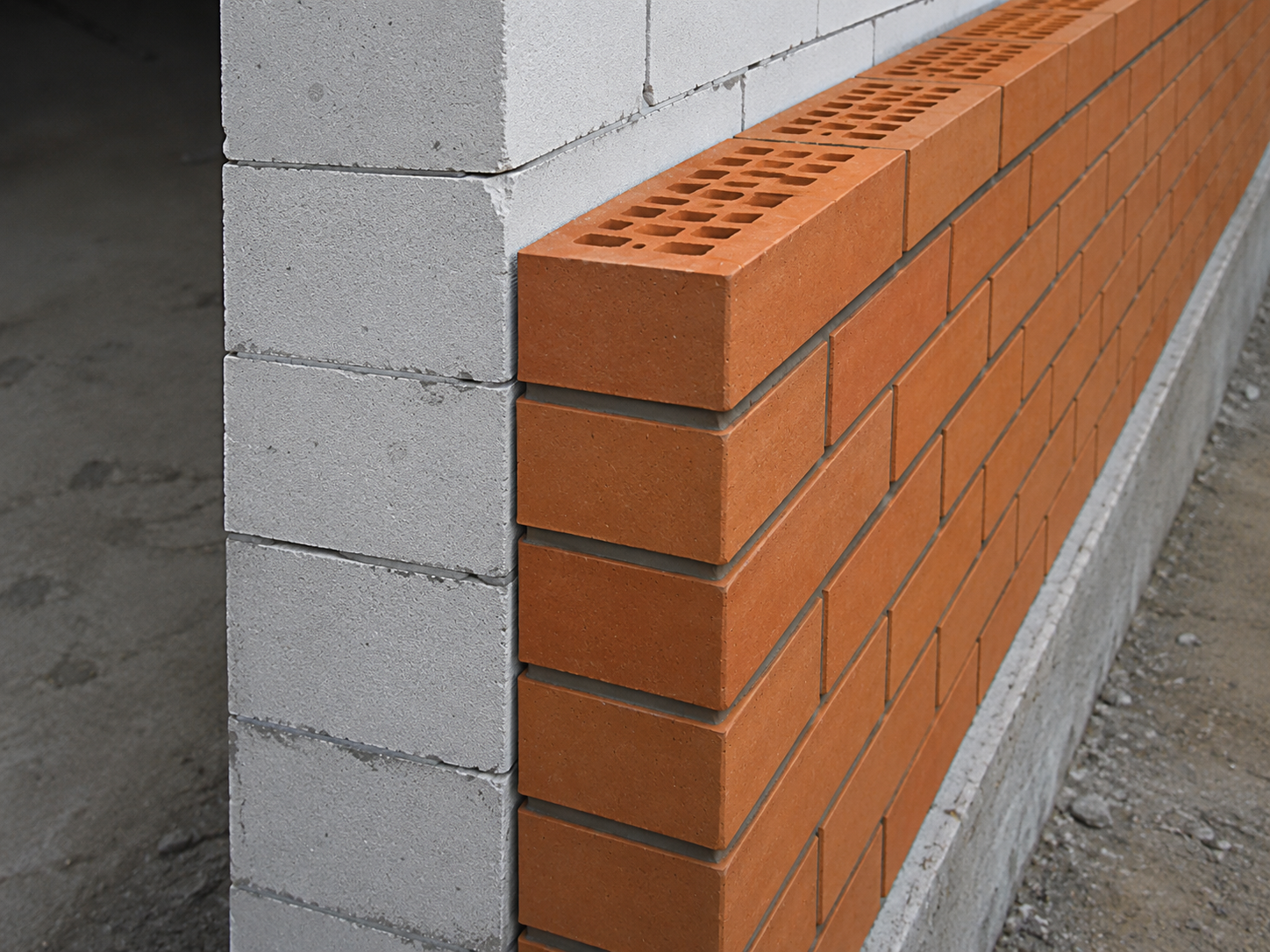
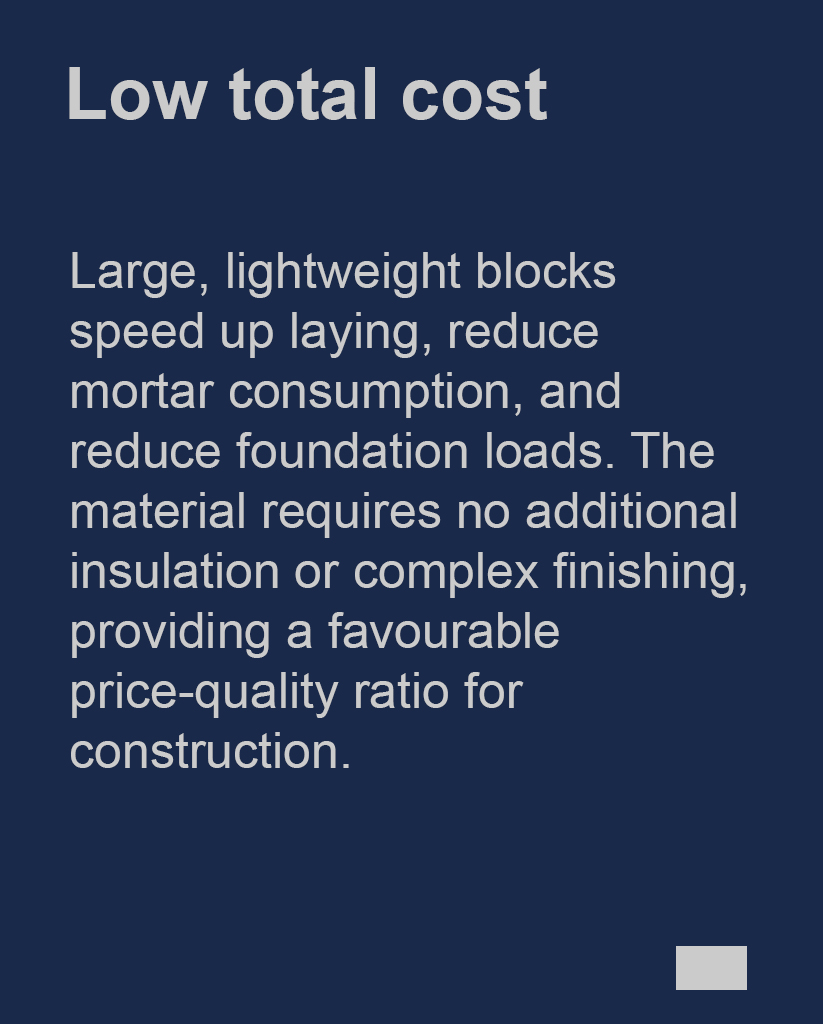
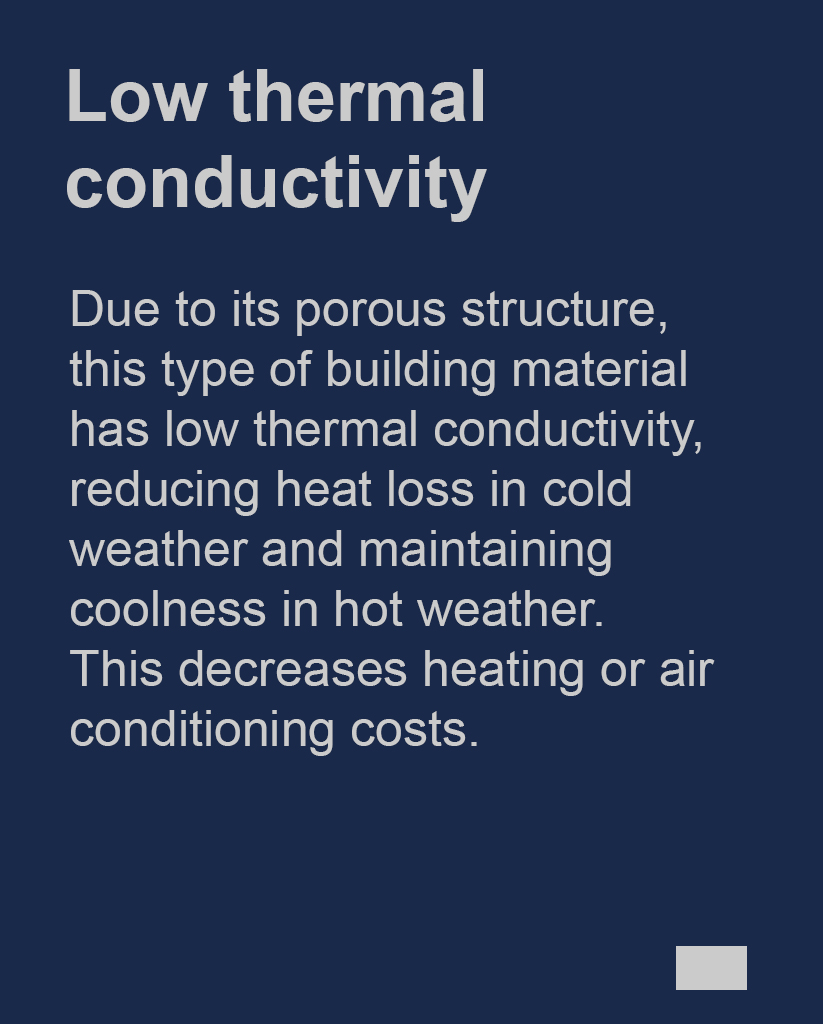
The porous structure of aerated concrete effectively retains heat, making it suitable for use as a thermal insulation layer. It reduces heat loss in buildings, helps maintain a comfortable indoor climate, and reduces heating costs without the need for additional insulation.
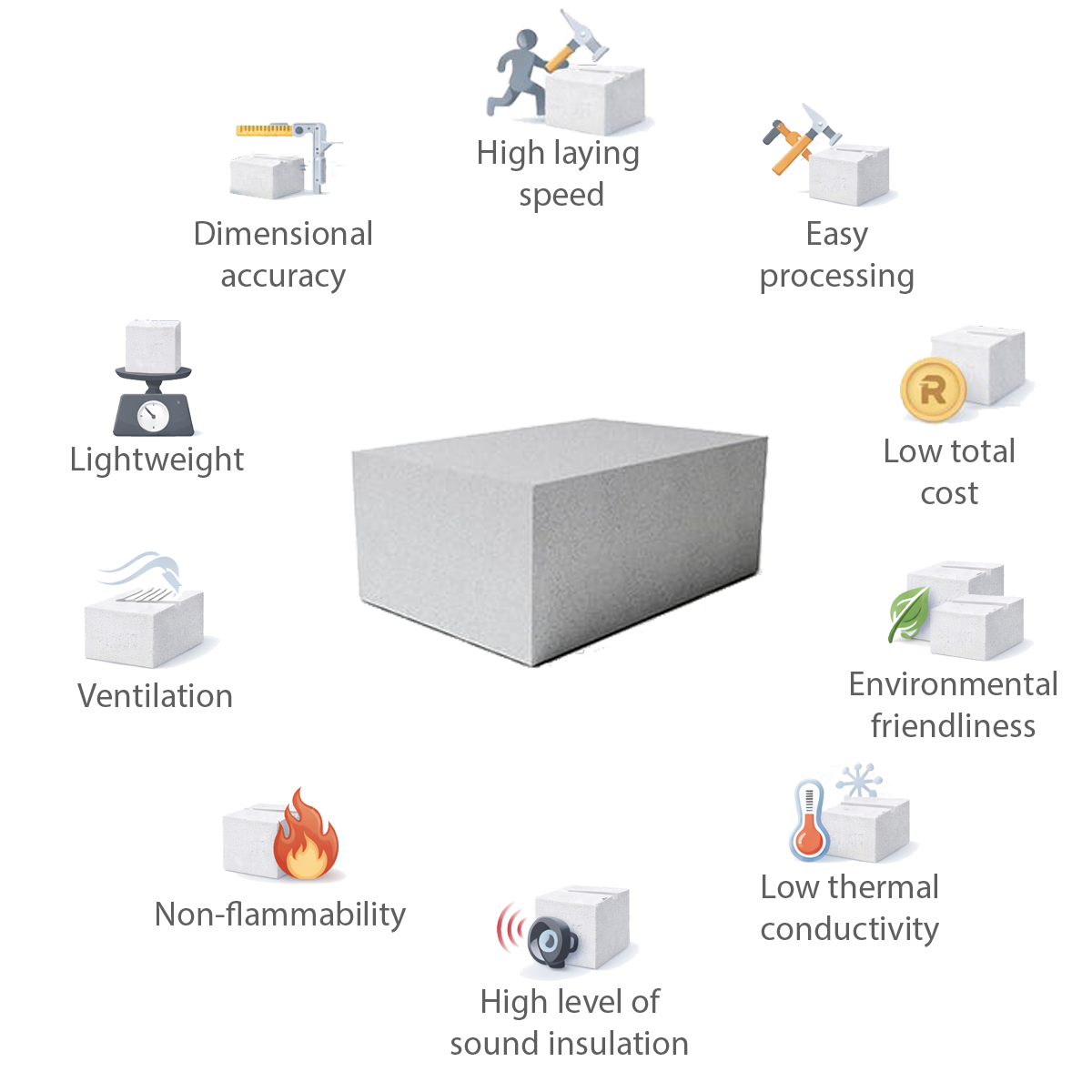
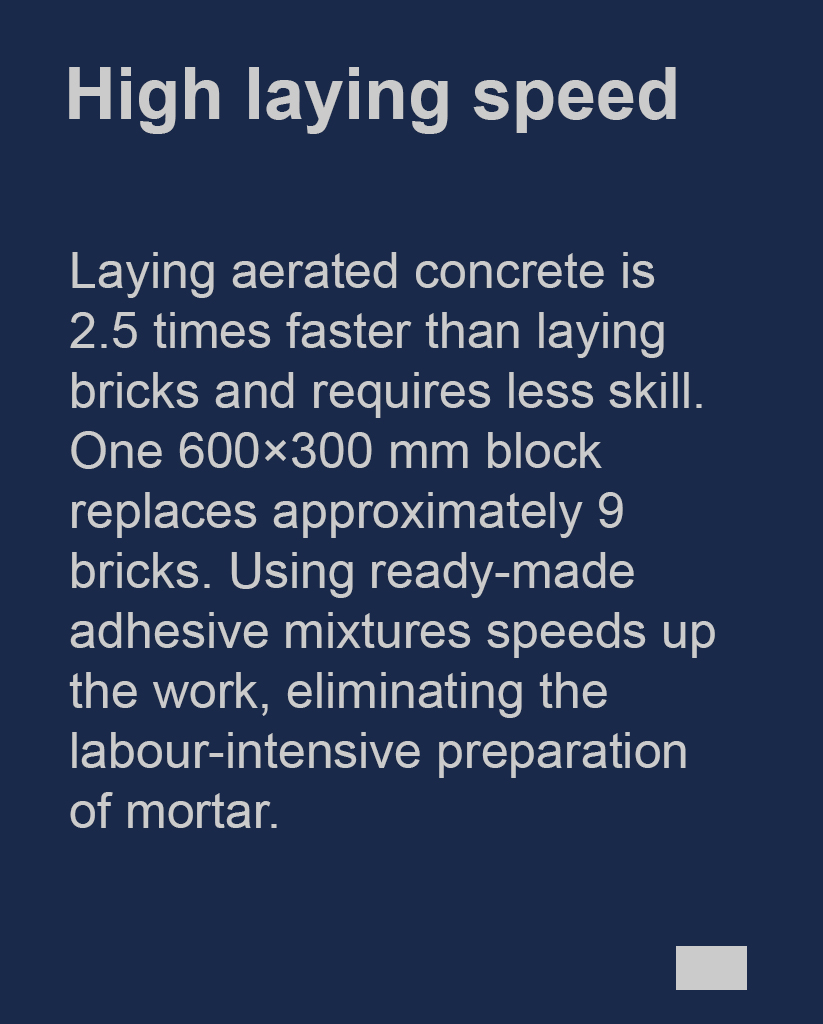
Advantages of the material
Comparison of non-autoclaved aerated concrete to other building materials
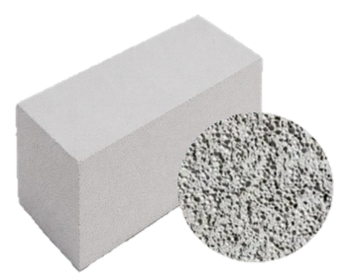 Non-autoclaved aerated concrete |
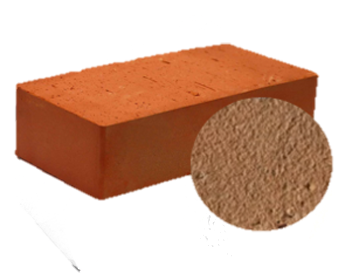 Brick |
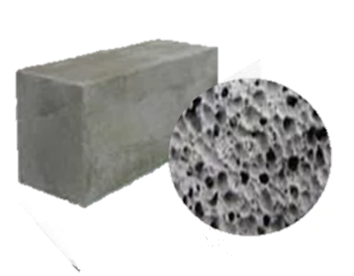 Foam concrete |
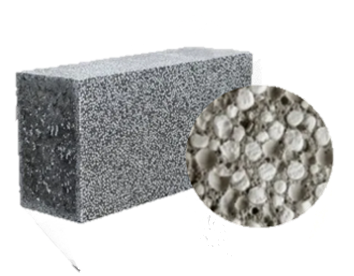 Expanded polystyrene concrete |
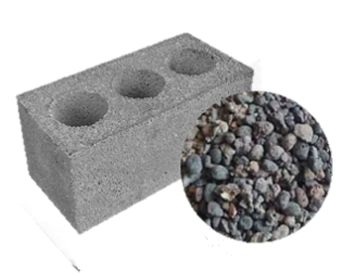 Cinder concrete |
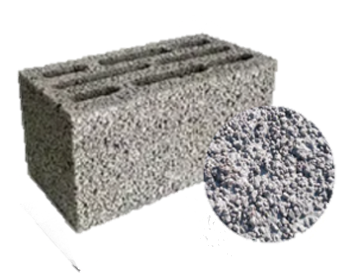 Expanded clay concrete |
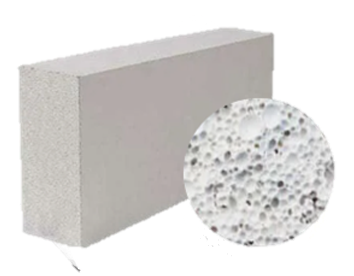 Autoclaved aerated concrete |
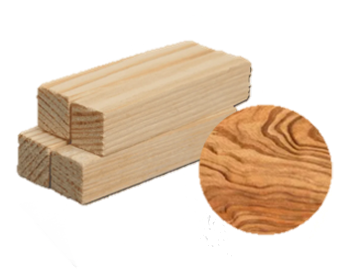 Wood |
|
|---|---|---|---|---|---|---|---|---|
| Thermal conductivity |
0.15 – 0.3 W/(m⋅K) Low, no additional insulation required |
0.3 – 0.8 W/(m⋅K) High, insulation required |
0.1 – 0.14 W/(m⋅K) Low, no additional insulation required |
0.05 – 0.17 W/(m⋅K) Low, no additional insulation required |
0.3 – 0.5 W/(m⋅K) High, insulation required |
Insulation may be required depending on the category |
0.12 – 0.14 W/(m⋅K) Low, no additional insulation required |
0.15 – 0.25 W/(m⋅K) Low, no additional insulation required |
| Compressive strength | 3.43 MPa, High | 7 MPa, High | 2 MPa, Medium | 0.16 – 2.93 MPa, Low or medium depending on the category | 0.5 MPa, Low | 4.5 – 19 MPa, High or very high | 2.45 – 5.39 MPa, High | From 20 MPa, Very high |
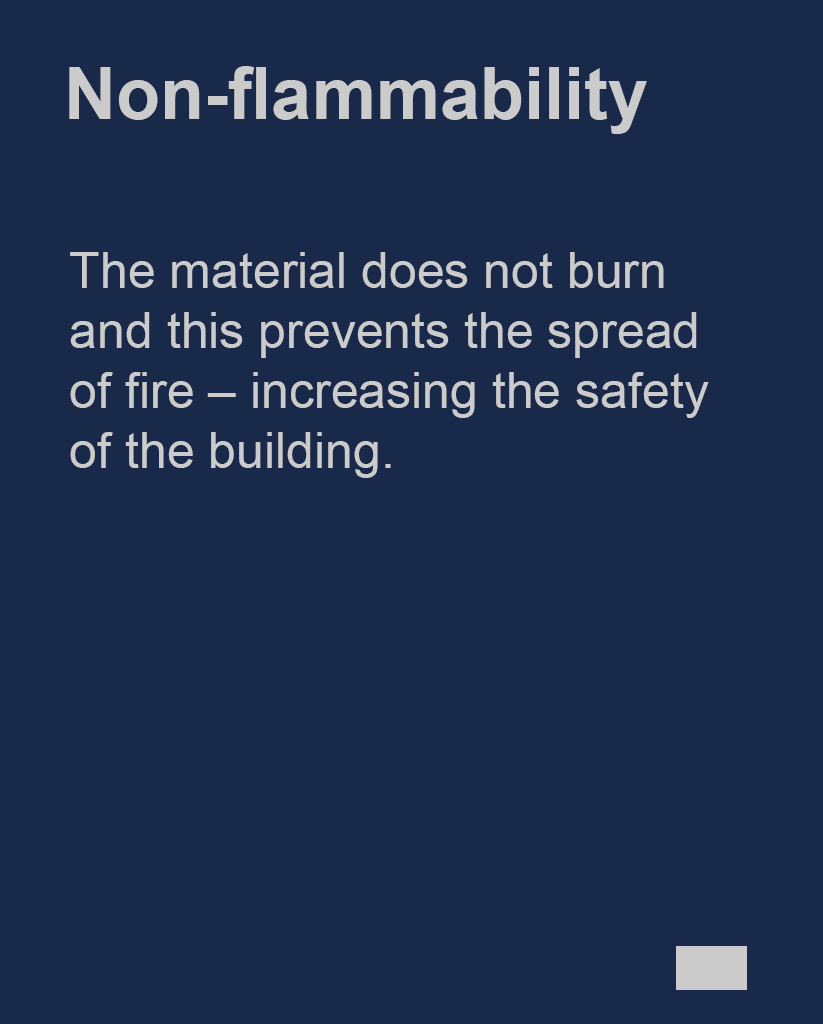
| Fire resistance | High | High | High | Medium (polystyrene melts) | High | High | Very high | Low |
| Shrinkage | 1 – 3 mm/m, Medium | 0.3 – 0.5 mm/m, Low | 0.3 – 0.4 mm/m, Low | Up to 1 mm/m, Low | 3 – 5 mm/m, High | 0.3 – 0.5 mm/m, Low | 0.3 – 0.5 mm/m, Low | 1 – 10 mm/m, High |
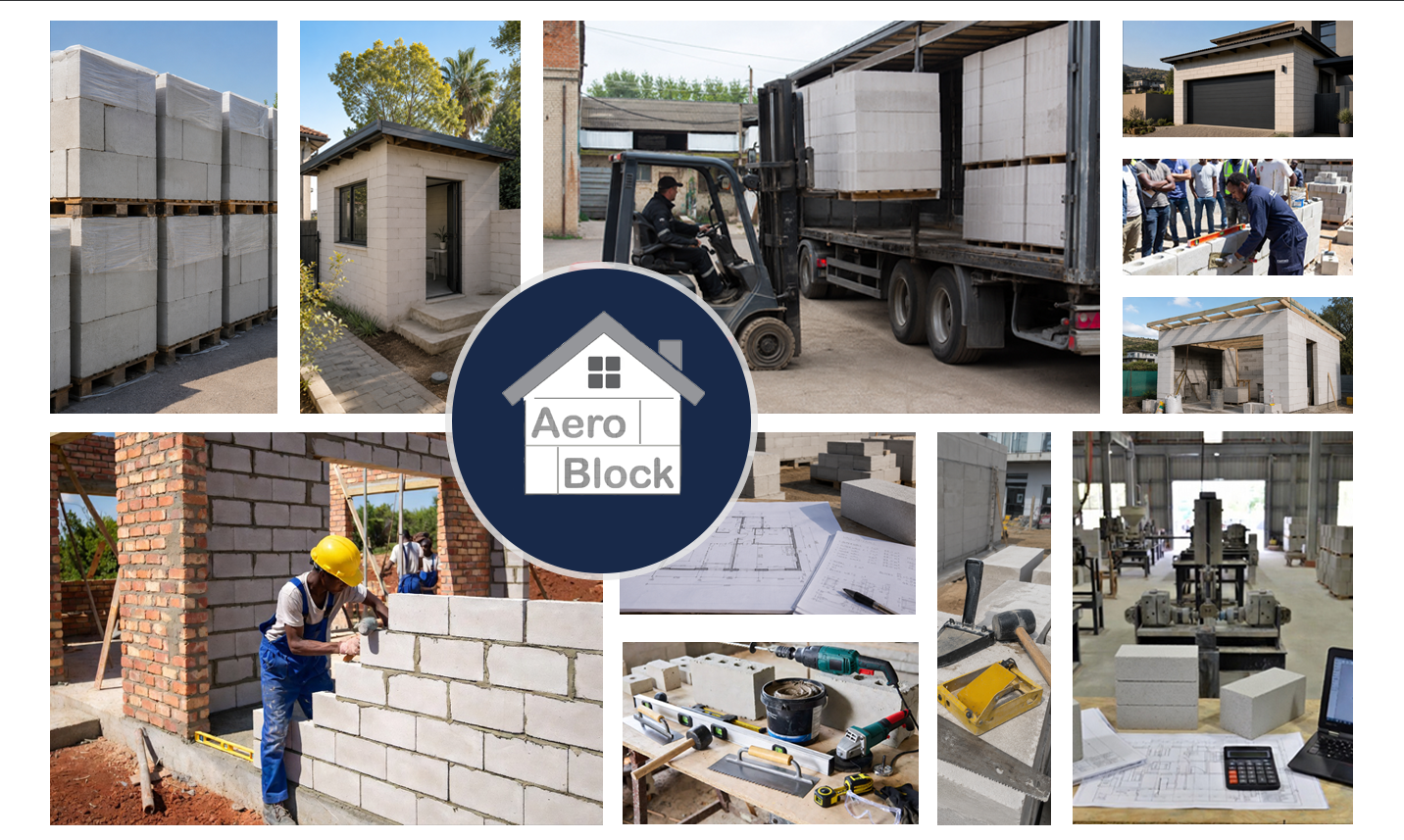
We offer the following additional services:
Calculating the required amount of material for your project
Delivery
Assistance in selecting auxiliary tools
Consultation on the process of working with the material
Conducting training for teams
Upgrade your construction process with us